Traveling to Vietnam is a dream for many, offering a rich tapestry of culture, history, stunning landscapes, and delicious cuisine. However, a crucial factor in turning that dream into reality is understanding the cost. This comprehensive guide will break down the expenses associated with traveling to Vietnam in 2025, covering everything from flights and accommodation to food, transportation, activities, and visa requirements.
We’ll examine various travel styles, from budget backpacking to luxurious vacations, providing detailed estimates and practical tips to help you plan your trip and manage your finances effectively. Understanding these costs will enable you to create a realistic budget and maximize your experience in this incredible Southeast Asian destination.
1. Pre-Trip Expenses: Flights, Visas, and Travel Insurance
Before you even set foot in Vietnam, several pre-trip expenses need to be considered. These include the cost of flights, visa applications, and travel insurance. These costs can vary significantly depending on your origin, nationality, and the level of coverage you require.
1.1. Round-Trip Flights to Vietnam
The cost of round-trip flights to Vietnam is highly dependent on your departure location, the time of year you’re traveling, and how far in advance you book. Expect prices to be higher during peak tourist seasons (November to March) and holidays like Tet (Vietnamese Lunar New Year).
- From North America: Flights from North America (USA, Canada) can range from $800 to $1500+ for economy class, depending on the city of origin and destination in Vietnam (Hanoi or Ho Chi Minh City). Booking well in advance (3-6 months) and being flexible with your travel dates can often secure lower fares. Look for flights with layovers, as they are generally cheaper than direct flights.
- From Europe: Flights from Europe generally range from $600 to $1200+ for economy class. Major European hubs like London, Paris, and Frankfurt often have competitive fares. Budget airlines may offer cheaper options, but be mindful of baggage fees and other potential added costs.

- From Australia: Flights from Australia are typically in the range of $500 to $1000+ for economy class. Direct flights are available from major Australian cities, but flights with layovers in Southeast Asia can be more affordable.
- From Asia: Flights from other Asian countries are generally the most affordable, ranging from $150 to $600+ depending on the distance and airline. Low-cost carriers like Vietjet Air, AirAsia, and Scoot offer frequent flights within the region.
Tips for Finding Cheaper Flights:
- Use flight comparison websites: Sites like Google Flights, Kayak, Skyscanner, and Momondo allow you to compare prices from different airlines and travel agencies.
- Be flexible with your travel dates: Flying mid-week (Tuesday or Wednesday) is often cheaper than flying on weekends.
- Consider flying to a different airport: Sometimes flying into a smaller airport near your desired destination can be cheaper.
- Sign up for email alerts: Receive notifications when prices drop for your desired route.
- Book in advance: As mentioned earlier, booking 3-6 months in advance is generally recommended.
1.2. Visa Requirements and Costs
Vietnam requires visas for most nationalities. The type of visa you need and the associated cost will depend on your nationality and the duration of your stay.
- E-Visa: For many nationalities, an e-visa is the easiest and most convenient option. It’s valid for a single entry and up to 30 days. The official e-visa fee is $25 USD. Apply directly through the official Vietnam Immigration Department website to avoid inflated prices from third-party agencies.
- Visa on Arrival (VOA): While less common in 2025 due to the convenience of e-visas, VOA may still be an option for some travelers. It requires pre-approval from a Vietnamese agency, which typically costs $10-$25 USD, plus a stamping fee paid upon arrival at the airport (around $25 for a single-entry visa).

- Visa at a Vietnamese Embassy/Consulate: You can also apply for a visa in person at a Vietnamese embassy or consulate in your home country. The cost varies depending on the embassy and the type of visa, but it’s generally more expensive and time-consuming than the e-visa option.
- Visa Exemptions: Citizens of some countries, such as certain ASEAN member states, are eligible for visa-free entry for a limited number of days (usually 14-30 days). Check the latest visa regulations for your nationality before traveling.
Important Considerations:
- Always apply for your visa well in advance of your trip to avoid any last-minute stress.
- Ensure your passport is valid for at least six months beyond your intended stay in Vietnam.
- Be wary of unofficial websites offering visa services at inflated prices. Always use the official Vietnam Immigration Department website or a reputable visa agency.
1.3. Travel Insurance
Travel insurance is essential for any international trip, and Vietnam is no exception. It provides coverage for medical emergencies, trip cancellations, lost luggage, and other unforeseen events.
- Cost: Travel insurance costs vary depending on the duration of your trip, your age, your medical history, and the level of coverage you require. A comprehensive travel insurance policy for a two-week trip to Vietnam could range from $50 to $150 USD.

- Coverage: Look for a policy that covers medical expenses (including evacuation), trip cancellation and interruption, lost or stolen luggage, and personal liability.
- Providers: Popular travel insurance providers include World Nomads, Allianz Travel, and Travel Guard. Compare policies and choose one that best suits your needs.
Key Considerations:
- Read the fine print of your policy carefully to understand what is covered and what is excluded.
- Ensure your policy covers activities you plan to participate in, such as trekking or motorbiking.
- Keep a copy of your insurance policy with you at all times, both in digital and paper format.
2. Accommodation Costs: From Hostels to Luxury Hotels
Accommodation costs in Vietnam can vary dramatically depending on the type of lodging you choose, the location, and the time of year. Vietnam offers a wide range of options, from budget-friendly hostels to luxurious hotels and resorts.
2.1. Hostels and Budget Guesthouses
Hostels are the most affordable accommodation option, particularly for solo travelers and backpackers. They typically offer dormitory-style rooms with shared bathrooms and common areas.
- Cost: A bed in a hostel dorm can cost anywhere from $5 to $15 USD per night, depending on the location and amenities.

- Benefits: Hostels are a great way to meet other travelers, save money, and often have social events and activities.
- Guesthouses: Budget guesthouses offer private rooms with basic amenities at a slightly higher price point than hostels. Expect to pay around $10 to $25 USD per night for a simple guesthouse room.
Popular Destinations and Average Hostel Costs:
- Hanoi: $7-$12 USD per night
- Ho Chi Minh City: $6-$11 USD per night
- Hoi An: $5-$10 USD per night
- Nha Trang: $4-$9 USD per night
2.2. Mid-Range Hotels and Boutique Hotels
Mid-range hotels offer a good balance of comfort and affordability. They typically feature private rooms with en-suite bathrooms, air conditioning, and other amenities.
- Cost: Expect to pay $25 to $75 USD per night for a mid-range hotel room, depending on the location and quality.
- Benefits: Mid-range hotels offer more privacy and comfort than hostels, while still being relatively affordable.
- Boutique Hotels: Boutique hotels offer a more stylish and personalized experience, often with unique design and local charm. They typically cost slightly more than standard mid-range hotels, ranging from $50 to $100+ USD per night.

Popular Destinations and Average Mid-Range Hotel Costs:
- Hanoi: $35-$65 USD per night
- Ho Chi Minh City: $40-$70 USD per night
- Hoi An: $30-$60 USD per night
- Sapa: $25-$50 USD per night
2.3. Luxury Hotels and Resorts
Vietnam boasts a growing number of luxury hotels and resorts, offering world-class amenities and services. These options are ideal for travelers seeking a more indulgent and pampering experience.
- Cost: Luxury hotels and resorts can cost anywhere from $100 to $500+ USD per night, depending on the location, amenities, and brand.
- Benefits: Luxury accommodations offer spacious rooms, stunning views, multiple dining options, swimming pools, spas, and personalized service.
- Popular Destinations: Coastal destinations like Phu Quoc, Nha Trang, and Da Nang are particularly well-known for their luxury resorts.

Popular Destinations and Average Luxury Hotel Costs:
- Phu Quoc: $150-$400+ USD per night
- Nha Trang: $120-$350+ USD per night
- Da Nang: $130-$380+ USD per night
2.4. Homestays and Airbnb
Homestays offer a unique opportunity to experience local Vietnamese culture and hospitality. You’ll typically stay in a room within a family’s home and have the chance to interact with them and learn about their way of life. Airbnb offers a wider range of options, from apartments and villas to private rooms in local homes.
- Cost: Homestays generally cost between $15 and $40 USD per night, including breakfast. Airbnb prices vary widely depending on the type of accommodation and location.
- Benefits: Homestays provide an authentic cultural experience and are often located in more rural areas. Airbnb offers more flexibility and a wider range of options.
- Considerations: When booking a homestay, be sure to read reviews and choose a reputable host. With Airbnb, pay attention to cancellation policies and cleaning fees.
Tips for Saving on Accommodation:
- Travel during the shoulder season: The shoulder seasons (April-May and September-October) offer pleasant weather and lower prices than the peak season.
- Book in advance: Booking your accommodation in advance, especially during peak season, can help you secure better deals.
- Consider staying outside of city centers: Accommodation in the outskirts of cities is often cheaper than in the central areas.
- Look for deals and discounts: Many hotels and booking websites offer discounts for longer stays or for booking in advance.
- Negotiate prices: In some cases, you may be able to negotiate the price of your accommodation, especially in smaller guesthouses and homestays.

3. Food and Drink: A Culinary Adventure on a Budget
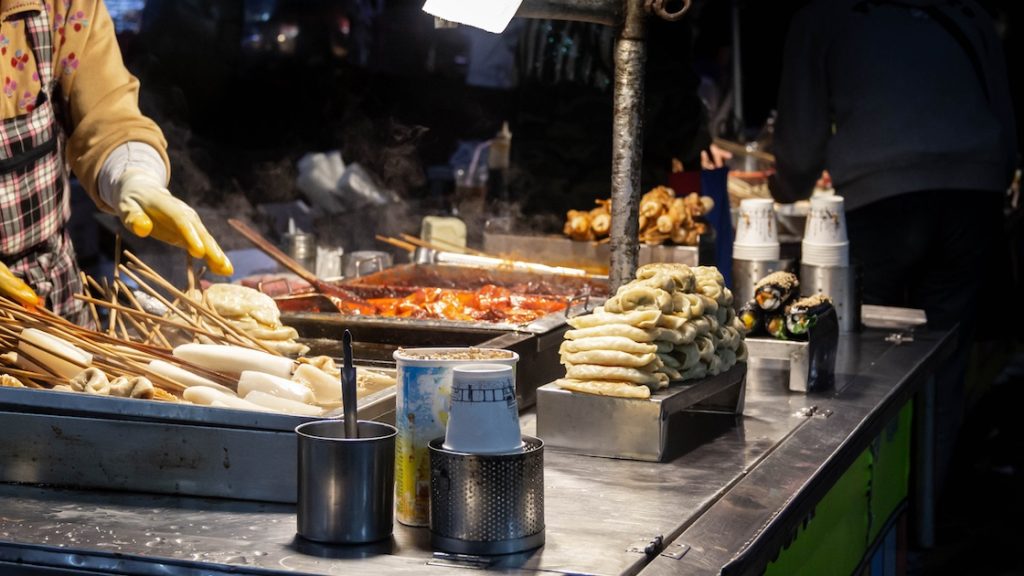
Vietnamese cuisine is renowned for its fresh ingredients, vibrant flavors, and affordable prices. Whether you’re indulging in street food or dining in a fancy restaurant, Vietnam offers a culinary adventure for every budget.
3.1. Street Food and Local Eateries
Street food is an integral part of Vietnamese culture and a must-try for any visitor. It’s also incredibly affordable.
- Cost: A bowl of pho (noodle soup), banh mi (sandwich), or other street food dishes typically costs between $1 and $3 USD.
- Benefits: Street food is a delicious and authentic way to experience Vietnamese cuisine. It’s also a great way to save money on food.
- Safety: While street food is generally safe, it’s important to choose vendors that appear clean and hygienic. Look for stalls with a high turnover of customers.

Popular Street Food Dishes and Average Prices:
- Pho (noodle soup): $1.50-$3 USD
- Banh Mi (sandwich): $1-$2.50 USD
- Goi Cuon (fresh spring rolls): $0.50-$1.50 USD
- Bun Cha (grilled pork with noodles): $2-$4 USD
- Com Tam (broken rice with grilled pork): $2-$4 USD
3.2. Restaurants and Cafes
Vietnam offers a wide range of restaurants and cafes, from casual eateries to fine-dining establishments. Prices vary depending on the type of restaurant and the cuisine.
- Cost: A meal in a mid-range restaurant typically costs between $5 and $15 USD per person. Fine-dining restaurants can cost $20+ USD per person.
- Benefits: Restaurants offer a more comfortable and relaxed dining experience than street food stalls. They also offer a wider variety of cuisines.
- Cafes: Cafes are a popular place to relax and enjoy a cup of Vietnamese coffee. A cup of coffee typically costs between $1 and $3 USD.
Popular Restaurant Dishes and Average Prices:
- Cao Lau (Hoi An noodles): $3-$5 USD
- Banh Xeo (crispy pancake): $2-$4 USD
- Mi Quang (turmeric noodles): $2.50-$4.50 USD
- Fresh Seafood (Grilled, Steamed): $5-$20+ USD (depending on the type and location)
3.3. Drinks: Water, Beer, and Cocktails
Staying hydrated is essential in Vietnam’s tropical climate. Drinks are generally very affordable.
- Water: A bottle of water typically costs around $0.50 USD.
- Beer: Local beer (such as Bia Hoi) is incredibly cheap, costing as little as $0.50-$1 USD per glass. Imported beer is more expensive, typically costing $2-$4 USD per bottle.
- Cocktails: Cocktails in tourist areas typically cost between $3 and $8 USD.

3.4. Cooking Classes and Food Tours
Consider taking a cooking class or food tour to learn more about Vietnamese cuisine and culture. These activities typically cost between $30 and $75 USD per person.
- Benefits: Cooking classes and food tours offer a hands-on experience and a chance to learn about local ingredients and cooking techniques.
- Popular Destinations: Hoi An, Hanoi, and Ho Chi Minh City are popular destinations for cooking classes and food tours.
Tips for Saving on Food and Drink:
- Eat street food: Street food is a delicious and affordable way to experience Vietnamese cuisine.
- Drink local beer: Bia Hoi is incredibly cheap and refreshing.
- Shop at local markets: Buy snacks and drinks at local markets to save money.
- Look for restaurants frequented by locals: These restaurants are often cheaper and more authentic than tourist-oriented establishments.
- Take advantage of happy hour deals: Many bars and restaurants offer happy hour deals on drinks.
4. Transportation Costs: Getting Around Vietnam
Vietnam offers a variety of transportation options, from budget-friendly buses and trains to more convenient taxis and ride-hailing services. The cost of transportation will depend on the distance you’re traveling and the mode of transport you choose.

4.1. Buses and Trains
Buses and trains are the most affordable way to travel long distances in Vietnam.
- Open Tour Buses: Open tour buses are a popular option for backpackers. They allow you to hop on and off at various destinations along the route. A ticket for the entire route (e.g., Hanoi to Ho Chi Minh City) typically costs between $30 and $60 USD.
- Local Buses: Local buses are even cheaper than open tour buses, but they can be crowded and less comfortable. A ticket for a shorter journey typically costs between $1 and $3 USD.
- Trains: Trains are a comfortable and scenic way to travel long distances in Vietnam. Tickets can be booked online or at train stations. A sleeper train from Hanoi to Da Nang can cost between $40 and $80 USD.
4.2. Motorbikes and Scooters
Renting a motorbike or scooter is a popular way to explore Vietnam, especially in rural areas.
- Cost: Renting a scooter typically costs between $5 and $15 USD per day, depending on the location and the type of scooter.
- Considerations: Riding a motorbike in Vietnam can be dangerous due to heavy traffic and poor road conditions. It’s essential to wear a helmet and have a valid driver’s license (ideally an international driving permit). Travel insurance may not cover accidents if you don’t have a valid license.

4.3. Taxis and Ride-Hailing Services (Grab)
Taxis and ride-hailing services (Grab) are convenient options for getting around cities.
- Taxis: Taxis are readily available in most cities. Be sure to use metered taxis or agree on a price before starting your journey.
- Grab: Grab is a popular ride-hailing app that offers cars and motorbikes. It’s generally cheaper and more reliable than taxis.
4.4. Domestic Flights
Domestic flights are a fast and convenient way to travel long distances in Vietnam, but they are more expensive than buses and trains.
- Cost: A domestic flight between Hanoi and Ho Chi Minh City can cost between $50 and $150 USD, depending on the airline and the time of year.
- Airlines: Vietjet Air, Bamboo Airways, and Vietnam Airlines are the main domestic airlines in Vietnam.
Tips for Saving on Transportation:
- Use public transportation whenever possible: Buses and trains are the most affordable way to travel.
- Negotiate taxi fares: Always negotiate the fare before getting into a taxi.
- Consider renting a motorbike for shorter trips: Motorbikes are a great way to explore rural areas.
- Book domestic flights in advance: Booking flights in advance can help you secure better deals.
- Use ride-hailing apps: Grab is generally cheaper and more reliable than taxis.

5. Activities and Entertainment: Exploring Vietnam’s Wonders
Vietnam offers a wide range of activities and entertainment, from exploring ancient temples and bustling markets to relaxing on pristine beaches and trekking through stunning landscapes. The cost of activities will depend on your interests and the type of experience you’re looking for.
5.1. Historical Sites and Cultural Attractions
Vietnam is home to numerous historical sites and cultural attractions, such as the ancient town of Hoi An, the Imperial City of Hue, and the My Son Sanctuary.
- Cost: Entrance fees to historical sites and museums typically range from $2 to $10 USD.
- Guided Tours: Consider taking a guided tour to learn more about the history and culture of Vietnam. Guided tours typically cost between $15 and $50 USD per person.
Popular Historical Sites and Average Entrance Fees:
- Imperial City of Hue: $7 USD
- My Son Sanctuary: $6 USD
- Cu Chi Tunnels: $5 USD
- War Remnants Museum (Ho Chi Minh City): $2 USD
- Temple of Literature (Hanoi): $1 USD
5.2. Natural Wonders and Outdoor Activities
Vietnam boasts stunning natural landscapes, including Ha Long Bay, Sapa, and the Mekong Delta.
- Ha Long Bay Cruises: A day trip to Ha Long Bay can cost between $40 and $100 USD, depending on the type of boat and the itinerary. Overnight cruises are more expensive, ranging from $100 to $300+ USD.
- Sapa Trekking: Trekking in Sapa can cost between $20 and $50 USD per day, including a guide and accommodation in a homestay.
- Mekong Delta Tours: A day trip to the Mekong Delta can cost between $30 and $70 USD, including transportation, boat rides, and meals.

5.3. Beaches and Water Activities
Vietnam has a long coastline with beautiful beaches. Popular beach destinations include Phu Quoc, Nha Trang, and Mui Ne.
- Beach Access: Most beaches in Vietnam are free to access.
- Water Activities: Activities like snorkeling, diving, and jet skiing can cost between $20 and $50 USD per activity.
5.4. Shopping and Souvenirs
Vietnam is a great place to shop for souvenirs, such as silk products, handicrafts, and coffee.
- Markets: Bargaining is common in Vietnamese markets. Be prepared to negotiate the price.
- Fixed-Price Shops: Fixed-price shops generally offer higher quality products than markets, but they are also more expensive.
Tips for Saving on Activities and Entertainment:
- Look for free activities: Many temples and parks are free to enter.
- Bargain at markets: Don’t be afraid to negotiate the price.
- Take advantage of free walking tours: Many cities offer free walking tours.
- Travel during the off-season: Prices for activities and tours are often lower during the off-season.
- Book tours in advance: Booking tours in advance can help you secure better deals.
6. Daily Budget Breakdown: Different Travel Styles
To provide a clearer picture of the cost of traveling in Vietnam, here’s a breakdown of daily budgets for different travel styles:
6.1. Budget Backpacking
- Accommodation: $5-$15 USD (hostel dorm)
- Food: $10-$15 USD (street food, local eateries)
- Transportation: $3-$5 USD (local buses, walking)
- Activities: $5-$10 USD (free activities, cheap attractions)
- Total Daily Budget: $23-$45 USD
6.2. Mid-Range Travel
- Accommodation: $25-$75 USD (mid-range hotel)
- Food: $15-$30 USD (restaurants, cafes)
- Transportation: $5-$10 USD (taxis, Grab)
- Activities: $10-$20 USD (paid attractions, guided tours)
- Total Daily Budget: $55-$135 USD
6.3. Luxury Travel
- Accommodation: $100-$500+ USD (luxury hotel/resort)
- Food: $50-$100+ USD (fine-dining restaurants, room service)
- Transportation: $20-$50+ USD (private cars, domestic flights)
- Activities: $30-$100+ USD (private tours, spa treatments)
- Total Daily Budget: $200-$750+ USD
Important Considerations:
- These are just estimates. Your actual expenses may vary depending on your spending habits and travel style.
- Factor in extra money for unexpected expenses, such as medical emergencies or changes in travel plans.
- Consider purchasing a SIM card for your phone to stay connected and use ride-hailing apps.
- Learn a few basic Vietnamese phrases to make your trip more enjoyable.
- Be respectful of local customs and traditions.
7. Additional Costs and Tips for Saving Money
Beyond the major categories of expenses, there are several additional costs to consider, along with more tips for saving money.
7.1. SIM Card and Internet Access
Staying connected is essential for many travelers.
- SIM Card: You can purchase a local SIM card at the airport or in most cities. A SIM card with data typically costs between $5 and $15 USD for a month.
- Wi-Fi: Wi-Fi is widely available in hotels, cafes, and restaurants.
7.2. Tipping
Tipping is not customary in Vietnam, but it is appreciated for good service.
- Restaurants: Tipping is not expected in local restaurants, but it is becoming more common in tourist-oriented establishments. A tip of 5-10% is appreciated.
- Taxis: Tipping taxi drivers is not expected.
- Tour Guides: It is customary to tip tour guides. A tip of $5-$10 USD per day is appropriate.
7.3. Souvenirs and Shopping
Set a budget for souvenirs and shopping to avoid overspending.
- Bargain: Bargaining is expected at markets.
- Quality: Check the quality of products before buying them.
7.4. Unexpected Expenses
It’s always a good idea to have a buffer for unexpected expenses.
- Medical Emergencies: Ensure your travel insurance covers medical expenses.
- Visa Extensions: If you need to extend your visa, be prepared to pay a fee.
- Transportation Delays: Allow for potential transportation delays when planning your itinerary.
7.5. More Tips for Saving Money
- Travel during the off-season: Prices for accommodation, activities, and transportation are often lower during the off-season.
- Cook your own meals: If you’re staying in accommodation with a kitchen, consider cooking some of your own meals.
- Take advantage of free activities: Many temples and parks are free to enter.
- Walk or cycle whenever possible: Walking and cycling are great ways to explore cities and save money on transportation.
- Negotiate prices: Don’t be afraid to negotiate prices at markets and with taxi drivers.
- Use a credit card with no foreign transaction fees: This can save you money on currency exchange fees.
- Inform your bank of your travel dates: This will prevent your credit card from being blocked.
Conclusion
Traveling to Vietnam in 2025 offers incredible value for a diverse range of budgets. By understanding the key cost factors – flights, visas, accommodation, food, transportation, and activities – travelers can effectively plan and manage their expenses. From budget-friendly backpacking at around $25-$45 USD per day to luxurious experiences exceeding $200-$750+ USD daily, Vietnam caters to various travel styles. Staying flexible with travel dates, booking in advance, utilizing local transportation, and embracing street food are excellent strategies for saving money. As Vietnam’s tourism infrastructure continues to develop, we can expect to see an even wider range of options and potential cost savings, especially with the rise of sustainable tourism initiatives and localized experiences. By leveraging these insights and tips, travelers can confidently embark on their Vietnamese adventure, maximizing their experiences while staying within their budget. Remember to factor in potential unexpected expenses and to always be mindful and respectful of local customs for a truly enriching and unforgettable journey.