In Hanoi, there are several affordable transportation options available for getting around the city. Here are some of the cheapest ways to get around Hanoi.
Walking – The cheapest way to get around Hanoi
This is optional when you choose to go around a specific area. Hanoi is very large, most tourists focus on Hoan Kiem Lake and the Old Quarter. Therefore, walking is a suitable option for visitors to explore this area. However, if you like to go around Hanoi and explore all the streets, you should choose other solutions such as public transport, motorbike rental …
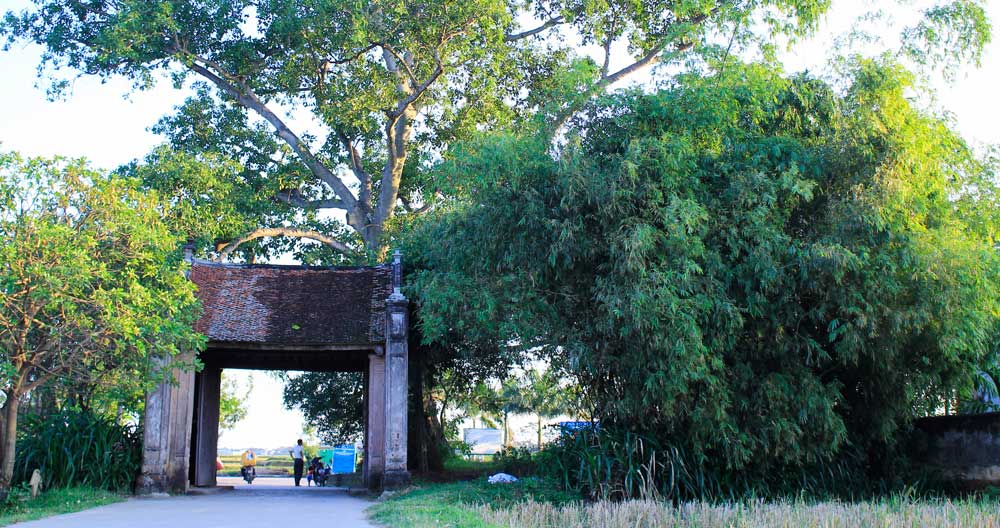
Hanoi is also very famous for its many temples, ancient villages, entertainment, and tourism areas. I dare to bet you, you will have many interesting experiences when traveling around the city by motorbike. However, pay attention to traffic conditions in Hanoi. Some places you can visit far from the city center such as Ba Vi National Park, Duong Lam ancient village( Google map ), Bat Trang pottery village, etc…

Hanoi Old Quarter and many other central areas are compact and easy to explore on foot. Walking allows you to soak up the vibrant atmosphere of the city while saving money on commuting.
Tips for walking around Hanoi’s Old Quarter
Strolling around Hanoi’s Old Quarter is a great way to explore the vibrant streets and soak up the city’s rich culture. The Old Town is known for its narrow streets, bustling markets, historic buildings, and traditional shops. Here are some tips for walking around the Old Town:
- Comfortable shoes: Wear comfortable shoes as you will have to walk a lot on uneven sidewalks and busy streets. The best way to explore Hanoi’s Old Quarter is on foot and comfortable shoes will make your experience more enjoyable.
- Maps or navigation apps: Bring a map of the Old Town with you, or use your smartphone’s navigation app to help you navigate through the maze-like streets. The Old Quarter can be a bit difficult to navigate due to its many intersections and lanes.
- Crossing the road: Be cautious when crossing the road because traffic in Hanoi can be overwhelming. Look for pedestrian crossings whenever possible, and when crossing, try to walk at a steady pace so vehicles can anticipate your movements.

- Explore the markets: The Old Quarter is home to many lively markets such as Dong Xuan Market and Night Market. Spend some time wandering through the bustling stalls, where you can find a variety of goods, including clothing, souvenirs, fresh produce, and street food.
- Taste the local cuisine: The Old Town is famous for its street food scene. Don’t miss the opportunity to enjoy delicious Hanoi dishes such as pho, bun cha, bread, and egg coffee. Explore the narrow streets and try different food stalls to experience the authentic taste of Hanoi.
- Explore historical sites: When walking around the Old Quarter, you will encounter many historical landmarks such as Hoan Kiem Lake, the Temple of Literature, and the Cathedral. Take the time to visit these sites and learn about their cultural and historical significance.
Remember to stay hydrated, especially on hot and humid days, and keep an eye on your belongings in crowded areas. Enjoy the charm and energy of Hanoi’s Old Quarter as you walk through its hidden gems.
You can see more:
Biking
Cycling is probably the best way to explore Hanoi. Renting a bicycle is an inexpensive way to travel around Hanoi. You can find bike rental shops all over the city, especially in the Old Quarter. Hanoi’s relatively flat terrain is perfect for cycling, and you can explore at your own pace.
- Rent a bicycle: Many shops in Hanoi offer bicycle rentals, especially in the Old Quarter and tourist areas. Look for reputable rental shops that provide well-maintained bikes. Rates are usually affordable, and you can rent a bicycle for a few hours or a full day.
- Plan your route: Before setting out, plan your route and decide which areas or attractions you want to visit. Consider popular cycling routes such as around Hoan Kiem Lake, along West Lake, or through the countryside surrounding Hanoi.
- Follow traffic rules: Observe traffic rules and regulations while biking in Hanoi. Ride on the right side of the road, use hand signals to indicate your turns, and obey traffic signals. Be aware of other vehicles, pedestrians, and motorbikes around you.
- Safety equipment: Wear a helmet to ensure your safety while cycling. It’s also a good idea to wear reflective clothing or accessories to make yourself more visible, especially during low-light conditions.
- Be cautious in traffic: Hanoi’s traffic can be chaotic, so exercise caution and remain alert while biking. Keep an eye on other vehicles, especially motorbikes, which are prevalent in the city. Be patient and maintain a steady pace while navigating through congested areas.
- Explore the neighborhoods: Hanoi is a city of distinct neighborhoods, each with its own charm and character. Take the opportunity to explore areas like the Old Quarter, Ba Dinh District (home to the Ho Chi Minh Mausoleum), Tay Ho District (around West Lake), and the French Quarter. These areas offer a mix of cultural sites, local markets, and picturesque streets to explore.
- Park your bike securely: When you reach your destination, find a secure place to park your bicycle. Look for designated bike parking areas or ask locals for recommendations. It’s important to lock your bike properly to prevent theft.
Public buses
Public buses are a convenient and affordable means of transportation for getting around Hanoi. The city has an extensive bus network that covers most areas, including popular tourist destinations. Here’s what you need to know about using public buses in Hanoi:
- Bus routes and schedules: Hanoi’s bus system consists of numerous routes, each identified by a number or a combination of letters and numbers. You can find bus route maps and schedules at bus stops or online through the official website of Hanoi’s Public Transportation Management and Operation Center.
- Bus stops and fares: Bus stops are marked with signs displaying the route numbers and names. When waiting at a bus stop, make sure to check the route number of the bus you want to board. Bus fares are usually affordable, and you can pay in cash when boarding the bus. Exact change is appreciated, but the bus conductor can usually provide change for larger notes.
- Bus etiquette: When boarding the bus, line up at the designated area and wait for passengers to alight before getting on. Inside the bus, try to find an available seat or hold onto the handrails if it’s crowded. Offer your seat to elderly or disabled passengers if needed. Avoid eating or drinking on the bus, and keep your belongings secure.
- Navigating the system: If you’re unfamiliar with the bus system, it’s helpful to have a map or use a navigation app to plan your route. Google Maps often provides accurate bus routes and schedules for Hanoi. You can also ask locals or the bus conductor for assistance if needed.
- Peak hours and crowded buses: Hanoi’s buses can get crowded during peak hours, particularly in the morning and late afternoon when people are commuting to and from work. If possible, try to avoid these times to have a more comfortable journey. During busy periods, it may be challenging to find a seat, so be prepared to stand.
Public buses are a budget-friendly way to explore Hanoi and reach different parts of the city. However, keep in mind that traffic in Hanoi can be congested, which may impact bus travel times. Plan your journey accordingly and allow extra time if needed.
Motorbike Taxis( Xe Om)
- Spotting xe om drivers: “Xe om” drivers are often stationed in designated areas or can be seen parked along the streets. They typically wear distinctive vests or jackets with the name of their company or organization.
- Negotiating fares: Before hopping on “xe om”, it’s important to negotiate the fare with the driver. Make sure to agree on a price before starting your journey. Keep in mind that fares are typically lower than those of traditional taxis, but it’s still a good idea to have a rough idea of the distance and an understanding of the average price for your intended route.

- Safety considerations: While using “xe om”, it’s essential to prioritize your safety. Ensure that the driver provides you with a helmet, and make sure to wear it throughout the ride. Traffic in Hanoi can be busy and chaotic, so hold on securely and be cautious during the journey.
- Short distances and quick rides: “Xe om” is commonly used for short trips within the city, such as getting to a nearby market or a specific location within a neighborhood. It can be a convenient option for navigating through narrow streets and avoiding traffic congestion.
- Ride-hailing apps: In addition to traditional “xe om” drivers, there are also ride-hailing services available in Hanoi, such as Grab. These platforms allow you to book motorbike taxis through a mobile app, making it more convenient and providing an estimated fare upfront.
- Language barrier: It’s worth noting that many “xe om” drivers may have limited English proficiency. Having your destination written down or displayed on a map can help ensure better communication and understanding.
As with any mode of transportation, it’s essential to exercise caution, particularly when using motorbike taxis. While it can be an affordable and efficient means of getting around Hanoi, always be aware of your surroundings and follow basic safety practices.
Grab (car-hailing service)
Grab is a popular car-hailing service that operates in Hanoi. It offers a convenient and reliable way to get around the city in
- Grab app: To use Grab, you’ll need to download the Grab app on your smartphone. It’s available for both iOS and Android devices. Once you’ve installed the app, you’ll need to create an account and provide the necessary details, including your payment method.
- Booking a ride: Open the Grab app and enter your pick-up and drop-off locations. The app will show you the available car types and their estimated fares. You can choose between options like GrabCar, GrabCar Plus, or GrabCar Premium, depending on your preference and budget.

- Fare estimation: The Grab app provides fare estimates for different car types based on distance and demand. It’s useful for getting an idea of the cost before confirming your booking. The final fare may vary due to factors such as traffic conditions or any additional services requested during the ride.
- Cashless payment: Grab operates primarily on cashless transactions, so you’ll need to link a credit or debit card to your Grab account. You can also use GrabPay, the in-app digital wallet, to pay for your rides. Cash payment may be available in some cases, but it’s always good to have a digital payment method as a backup.
- Safety features: Grab prioritizes safety, and the app provides information about the driver, including their name, photo, and vehicle details. You can track your driver’s location in real-time and share your ride details with friends or family for added security.
- GrabBike: In addition to car services, Grab also offers GrabBike, which allows you to book motorbike rides using the same app. GrabBike is often a faster and more affordable option for short distances or navigating through traffic-congested areas.
Using Grab in Hanoi can be a convenient and hassle-free way to get around the city, particularly for long distances or when you prefer a more comfortable ride. However, be aware that peak hours or adverse weather conditions may affect the availability and travel time of Grab cars.
It is worth noting that traffic in Hanoi can be chaotic, especially during rush hour, so exercise caution and be aware of local traffic rules and customs when using any mode of transport. any.
Hope the sharing of 2 Vietnam has been somewhat helpful for you. Believe me, Hanoi will be a memorable experience on your trip.
Good luck