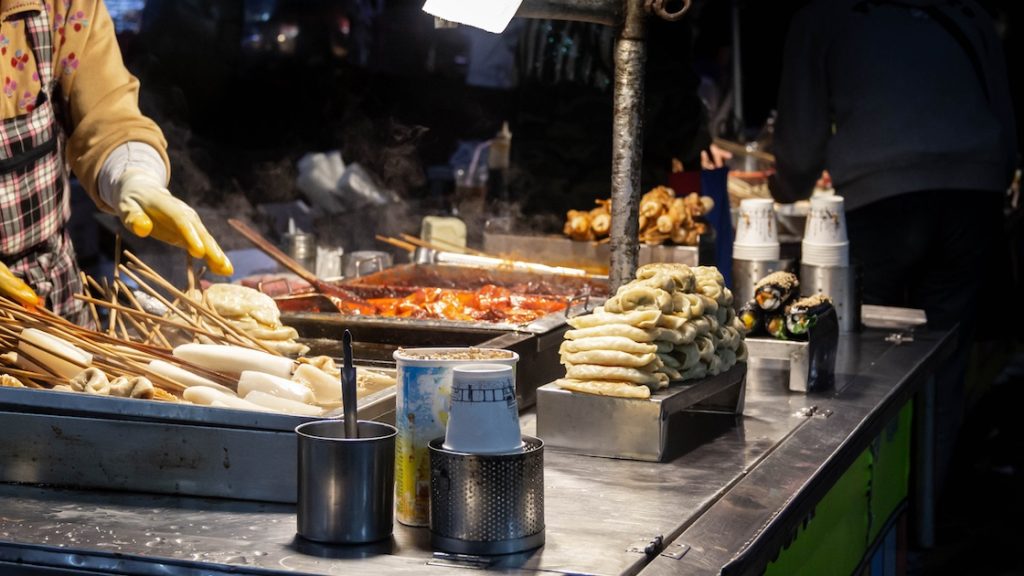
Street food in Hanoi is a vibrant and essential part of the city’s culinary culture. The streets of Hanoi are lined with countless food stalls and vendors, offering a wide array of delicious and affordable dishes that showcase the flavors of Vietnamese cuisine. Here are the top 12 Hanoi street foods that are most loved by tourists
Pho (Vietnamese Noodle Soup) – The best Hanoi Street Food
Pho is undoubtedly one of the most iconic Vietnamese dishes, and it holds a special place in Hanoi’s street food scene. Here’s some more information about Pho:
Pho is a flavorful Vietnamese noodle soup that is typically made with rice noodles, beef or chicken broth, and various toppings. It is a beloved dish that is enjoyed throughout the day, but it is particularly popular as a breakfast option in Vietnam.

The key components of Pho are the noodles and the broth. The rice noodles used in Pho are flat and smooth, providing a soft and chewy texture. The broth is made by simmering beef or chicken bones with aromatic spices such as star anise, cinnamon, cloves, and ginger, for several hours. This slow cooking process infuses the broth with rich flavors and a delightful fragrance.
When it comes to toppings, Pho offers a variety of choices. The most common options include thinly sliced beef (rare or cooked), beef meatballs, and chicken. The soup is often garnished with fresh herbs like Thai basil, cilantro, and culantro, as well as bean sprouts, lime wedges, and sliced chili peppers. Additional condiments such as hoisin sauce and sriracha are available on the table for diners to customize their flavors.
Pho is not only delicious but also a dish that reflects the balance and harmony of Vietnamese cuisine. The combination of fragrant broth, tender noodles, and fresh toppings creates a satisfying and comforting experience for food enthusiasts.
In Hanoi, you can find Pho being served in many local street food stalls, small family-run restaurants, and even more upscale establishments. It is a must-try dish that showcases the culinary traditions and flavors of Vietnam.
Bun Cha (Grilled Pork with Vermicelli)
Bun Cha is another popular street food in Hanoi that you must try. Here’s more about this delicious dish:
Bun Cha is a dish that combines grilled pork and vermicelli noodles, along with fresh herbs and a savory dipping sauce. It is a beloved specialty of Hanoi and has gained recognition both locally and internationally.

The dish consists of two main components: grilled pork and vermicelli noodles. The pork is marinated with a combination of ingredients such as fish sauce, garlic, sugar, and pepper, then grilled over a charcoal fire. This grilling process imparts a smoky and slightly charred flavor to the meat, creating a delicious contrast of textures.
The vermicelli noodles used in Bun Cha are thin and translucent rice noodles. They are soft and slippery, and provide a neutral base for the flavors of the dish to shine through.
When you order Bun Cha, it typically comes with a plate of fresh herbs and a bowl of dipping sauce. The herbs commonly served include lettuce, mint, perilla leaves, and cilantro. The dipping sauce is made from a combination of fish sauce, vinegar, sugar, garlic, chili, and sometimes a squeeze of lime juice. The sauce adds a tangy and savory element to the dish, enhancing the flavors of the grilled pork and noodles.
To enjoy Bun Cha, you take a portion of the grilled pork, dip it into the sauce, and wrap it in a small bundle of vermicelli noodles and herbs. Each bite offers a delightful combination of smoky grilled meat, refreshing herbs, soft noodles, and the savory-sweet dipping sauce.
Bun Cha is commonly found in small, local eateries and street food stalls throughout Hanoi. It is a popular choice for lunch or dinner and is often enjoyed with a side of Vietnamese spring rolls (nem) or fried crab spring rolls (nem cua).
Sampling Bun Cha is not just about savoring the flavors of Hanoi but also experiencing the vibrant street food culture and culinary traditions of Vietnam’s capital city.
Most of the eatery locations are quite far away. So how can you move there in the most cost-effective way for solo travelers? Here is the cheapest way to explore Hanoi
Banh Mi(Vietnamese Sandwich)
Banh Mi is a delicious Vietnamese sandwich that has gained international popularity for its harmonious blend of flavors and textures. Here’s what you need to know about this iconic street food:
Banh Mi consists of a crusty French baguette that is typically filled with a variety of ingredients. The bread used for Banh Mi is characterized by its light and crispy exterior, with a soft and fluffy interior.
The filling of a Banh Mi can vary, but it usually includes a combination of savory and fresh ingredients. Common fillings include thinly sliced or grilled meats such as pork belly (thịt nướng), grilled pork (thịt nướng), grilled chicken (gà nướng), or Vietnamese cold cuts (đặc sản). The meat is often marinated and grilled to perfection, imparting a delicious smoky flavor.

In addition to the meat, Banh Mi is typically layered with pickled vegetables, such as carrots and daikon radish, which add a refreshing crunch and tangy flavor to the sandwich. Fresh herbs like cilantro and sometimes slices of cucumber are also added, providing a vibrant and fragrant element.
To enhance the taste, Banh Mi is often dressed with condiments such as mayonnaise, chili sauce, and soy sauce. These condiments add creaminess, spice, and an umami kick to the overall flavor profile of the sandwich.
Banh Mi is a versatile street food that can be customized to suit different tastes and preferences. Some variations may include additional ingredients like pâté, fried egg, or even tofu for vegetarian options.
Banh Mi is widely available in Vietnam, and especially in Hanoi, where you can find street vendors, local eateries, and specialized Banh Mi shops. It is a quick and affordable option for a satisfying meal on the go, and it’s loved by locals and visitors alike.
The combination of crispy bread, savory meats, tangy pickles, fresh herbs, and flavorful sauces makes Banh Mi a must-try street food that represents the fusion of French and Vietnamese culinary influences.
Bun rieu cua (Crab Noodle Soup)
Bun rieu cua is known for its rich and flavorful broth, which is made from a combination of crab meat, pork, and tomatoes. The dish gets its name from “riêu cua,” which refers to the crab paste or crab meat that is used to create the distinct flavor of the soup.
The broth is prepared by simmering crab shells and pork bones with aromatic spices such as lemongrass, shrimp paste, and annatto seeds. The addition of tomatoes adds a tangy and slightly sweet note to the soup. The resulting broth is a vibrant orange-red color and has a delightful seafood aroma.

The soup is typically served with rice vermicelli noodles, which are soft and absorb the flavors of the broth. It is common to find additional toppings in Bun rieu cua, such as pieces of tofu, pork, blood pudding, and sometimes snails or shrimp.
To enhance the flavors, Bun rieu cua is typically garnished with a variety of fresh herbs and condiments. These may include shredded lettuce, bean sprouts, perilla leaves, cilantro, and lime wedges. Diners can also add a squeeze of lime juice, chili sauce, or shrimp paste according to their taste preferences.
Bun rieu cua offers a combination of textures and flavors that create a delightful eating experience. The soft noodles, tender crab meat, and other toppings complement the robust and tangy broth, resulting in a harmonious blend of tastes.
In Hanoi, Bun rieu cua can be found in street food stalls, local restaurants, and markets. It is a popular choice for breakfast or lunch, and it showcases the Vietnamese love for seafood and fresh ingredients.
Whether you’re a seafood lover or simply seeking a delicious and comforting noodle soup, Bun rieu cua is a must-try dish that offers a taste of Hanoi’s culinary delights.
Bun thang (Hanoi Combo Noodle Soup)
Bun thang is a unique and flavorful Hanoi-style rice vermicelli soup that is often enjoyed on special occasions or as a traditional breakfast dish. Here’s more about this delightful soup:
Bun thang is known for its delicate and subtle flavors, as well as its visually appealing presentation. The name “Thang” refers to the lunar calendar month in which it is traditionally made, during the time of the year when ingredients are abundant and diverse.
The soup is made by combining chicken broth with thinly sliced chicken, shrimp, pork, and delicate omelet ribbons. The chicken broth is typically prepared by simmering chicken bones with aromatics such as ginger, onion, and dried shrimp, which impart a fragrant and savory base.
The protein ingredients, including chicken, shrimp, and pork, are cooked separately and thinly sliced before being added to the soup. This adds a variety of textures and flavors to each spoonful of Bun thang.

The dish gets its distinctive character from the inclusion of delicate omelet ribbons, made by lightly whisking eggs and cooking them into thin sheets before slicing them into thin strips. These ribbons add a smooth and velvety texture to the soup.
Bun thang is typically served with rice vermicelli noodles, which are soft and absorb the flavors of the broth. The soup is garnished with a variety of toppings, including finely sliced Vietnamese sausage (gio lua), dried shrimp, chopped herbs like cilantro and green onions, and sometimes crispy fried shallots.
The final touch is a drizzle of diluted shrimp paste sauce, which adds a complex and savory note to the soup. Diners can adjust the flavors by adding additional condiments such as chili sauce, lime juice, or fish sauce according to their taste preferences.
Bun thang is not only a delicious dish but also a visually appealing one. The combination of colors from the different ingredients creates a vibrant and appetizing presentation.
While Bun thang is traditionally associated with special occasions, it can still be found in some street food stalls and local eateries in Hanoi. It offers a unique and refined taste experience that showcases the culinary traditions and craftsmanship of Hanoi’s cuisine.
If you have the opportunity to try Bun thang, it’s definitely a dish worth exploring for its subtle flavors and cultural significance.
Banh Goi (Pillow-Shaped Dumplings)
Banh Goi, also known as “pillow-shaped dumplings,” is a delightful and savory Vietnamese street food that you should try. Here’s more about this tasty treat:
Banh Goi gets its name from its pillow-like shape, which resembles a small cushion. These dumplings are made by wrapping a filling of ground pork, vermicelli noodles, mushrooms, and various spices in a thin rice flour pastry.
The filling of Banh Goi is typically seasoned with ingredients such as garlic, shallots, black pepper, and fish sauce, which infuse the pork with a savory and aromatic flavor. The vermicelli noodles provide a chewy texture and help bind the filling together.

Once the filling is prepared, it is enclosed in a square-shaped rice flour pastry. The pastry is folded and sealed to create a distinctive pillow-like shape, with crimped edges to ensure the filling stays intact during cooking.
Banh Goi is then deep-fried until golden and crispy. The frying process gives the dumplings a satisfying crunch on the outside while keeping the filling moist and flavorful inside.
These dumplings are typically served with fresh herbs such as lettuce, mint, and cilantro, as well as a dipping sauce made from a combination of fish sauce, lime juice, chili, and garlic. The herbs and dipping sauce provide a refreshing contrast to the rich and savory flavors of the dumplings.
Banh Goi is a popular street food snack in Hanoi and can often be found in food stalls and markets. It is a delicious option for those seeking a quick and satisfying bite while exploring the vibrant street food scene of the city.
With its crispy exterior and flavorful filling, Banh Goi offers a delightful combination of textures and tastes. It’s a must-try street food that showcases the creativity and deliciousness of Vietnamese dumplings.
Trung Vit lon (Balut)
Trung Vit Lon, also known as Balut, is a unique and somewhat controversial Vietnamese street food that may intrigue adventurous eaters. Here’s more information about Balut:
Balut refers to fertilized duck eggs that are incubated for a specific period and then boiled or steamed before being consumed. It is considered a delicacy in many Southeast Asian countries, including Vietnam.
The process of making Balut involves allowing duck eggs to develop for a certain number of days, typically between 16 to 21 days until the embryo inside the egg reaches a semi-developed stage. At this point, the eggs are boiled or steamed, making the contents inside fully cooked and ready to eat.

When you crack open a Balut, you will find a partially formed duck embryo inside. This includes features such as the beak, feathers, bones, and sometimes even partially formed organs. The texture and taste of the different parts can vary, with some parts being more gelatinous while others are firmer.
Balut is often enjoyed as a snack or street food. To eat it, you can peel away the shell and season the contents with salt, pepper, or a mixture of spices before taking a bite. Some people prefer to consume the entire contents, while others may choose to eat specific parts and discard the rest.
It’s important to note that Balut is considered an acquired taste and may not be for everyone. The flavor and texture of Balut can be intense and distinct, with a combination of flavors ranging from savory to slightly gamey.
While Balut may not be widely available in all areas of Vietnam, you can often find it in street food markets, particularly in the evening. It is often enjoyed with a cold beer or as a late-night snack.
If you’re feeling adventurous and curious about trying unique and culturally significant foods, Balut may be an interesting experience. However, do keep in mind that it is a challenging food for some due to its appearance and flavor profile.
Bun Dau Mam Tom (Fermented Shrimp Paste with Tofu and Rice Vermicelli)
Bun Dau Mam Tom is a popular and flavorful Vietnamese dish that combines fermented shrimp paste, tofu, and rice vermicelli. Here’s more about this unique and delicious dish:
Bun Dau Mam Tom consists of several components that come together to create a satisfying and flavorful meal. It is a favorite among locals in Hanoi and other regions of Vietnam.
The dish starts with a base of rice vermicelli noodles, which are soft and provide a neutral canvas to absorb the flavors of the other ingredients. The noodles are typically served at room temperature or slightly chilled.

The star of Bun Dau Mam Tom is the fermented shrimp paste sauce, known as mắm tôm. This pungent and savory condiment is made from fermented shrimp and has a strong and distinct aroma. The shrimp paste is diluted with water, sugar, lime juice, and sometimes garlic or chili to create a dipping sauce with complex flavors.
Alongside the shrimp paste sauce, the dish includes deep-fried tofu. The tofu is usually cut into cubes or rectangles and fried until golden and crispy on the outside while remaining soft and creamy on the inside. The tofu provides a protein-rich element and adds a contrast of textures to the dish.
Bun Dau Mam Tom is typically garnished with an assortment of fresh herbs and vegetables, such as lettuce, mint, cilantro, and perilla leaves. These add freshness, crunch, and a burst of flavor to the dish.
To enjoy Bun Dau Mam Tom, you assemble the components on your plate according to your preference. You can dip the tofu and herbs into the shrimp paste sauce and combine them with the rice vermicelli noodles for each mouthful. The combination of flavors and textures creates a delightful and unique eating experience.
Bun Dau Mam Tom can be found in street food stalls and local eateries throughout Vietnam, especially in Hanoi. It is a popular lunch or dinner option, particularly among those who enjoy bold and intense flavors.
If you’re open to trying new and distinct flavors, Bun Dau Mam Tom offers a taste of Vietnam’s fermented shrimp paste cuisine and is a must-try dish for adventurous food lovers.
Banh Tom (West Lake Shrimp Cake)
Banh Tom, also known as West Lake Shrimp Cake, is a popular specialty dish from Hanoi, specifically associated with the West Lake area. Here’s more about this delicious and crispy treat:
Banh Tom is made from a mixture of fresh shrimp and sweet potato that is coated in a light and crispy batter. The dish is believed to have originated from the West Lake region, which is known for its abundant shrimp supply.
To prepare Banh Tom, fresh shrimp is ground into a paste and mixed with finely grated sweet potato. This combination creates a flavorful and moist interior with a slight natural sweetness.
The shrimp and sweet potato mixture is then formed into small patties or balls. These patties are coated in a batter made from rice flour, cornstarch, and sometimes beer or soda water, which helps achieve a crisp and golden exterior when fried.
The shrimp cakes are deep-fried until they turn crispy and golden brown. The frying process gives them a delightful crunch while locking in the juiciness of the shrimp and the sweetness of the sweet potato.
Banh Tom is typically served with a dipping sauce made from a combination of fish sauce, lime juice, sugar, garlic, and chili. The sauce adds a tangy and savory element that complements the richness and crispiness of the shrimp cakes.
Traditionally, Banh Tom is enjoyed by wrapping a shrimp cake in a lettuce leaf along with fresh herbs like mint and perilla leaves. This combination of flavors and textures creates a refreshing and satisfying bite.
Banh Tom is a popular street food snack in Hanoi, particularly around the West Lake area. You can find it in food stalls and eateries that specialize in Hanoi-style snacks and delicacies.
The combination of the succulent shrimp, sweet potato, and crispy exterior makes Banh Tom a delightful and unique dish to try. It represents the flavors and culinary traditions of Hanoi, showcasing the creativity and diversity of Vietnamese street food.
If you have the chance to visit Hanoi, don’t miss the opportunity to savor Banh Tom and experience its deliciousness firsthand.
Xoi Xeo (Sticky Rice with Mung Bean and Fried Shallots)
Xoi Xeo is a delicious and popular Vietnamese dish made with sticky rice, mung beans, and fried shallots. It is a comforting and satisfying treat that is enjoyed as a breakfast dish or a snack throughout the day. Here’s more about Xoi Xeo:
Xoi Xeo starts with glutinous or sticky rice that is soaked and then steamed until it becomes soft and sticky. The sticky rice forms the base of the dish and provides a chewy and slightly sweet texture.
Mung beans are another essential component of Xoi Xeo. The mung beans are cooked until they become tender and creamy, then they are mashed or pureed. The mashed mung beans are spread over the sticky rice, adding a smooth and rich layer to the dish.

To enhance the flavors and add a crunchy element, Xoi Xeo is topped with a generous amount of fried shallots. The fried shallots are thinly sliced and deep-fried until golden and crispy. They add a savory and aromatic touch to the dish, complementing the sweetness of the rice and mung beans.
Xoi Xeo is often served with various accompaniments to further elevate its flavors. These can include shredded chicken, Chinese sausage, fried egg, or pickled vegetables. These additional ingredients add different textures and flavors to the dish, making it more diverse and satisfying.
Xoi Xeo is commonly enjoyed by drizzling a spoonful of fish sauce over the rice, giving it a savory and tangy taste. Some people also like to add chili sauce or sliced chili for a spicy kick.
You can find Xoi Xeo in street food stalls and local eateries across Vietnam, particularly in the mornings or as a snack throughout the day. It’s a popular option for a quick and delicious meal.
Whether you’re looking for a hearty breakfast or a tasty snack, Xoi Xeo offers a delightful combination of sticky rice, creamy mung beans, and crispy fried shallots. It showcases the diverse flavors and textures of Vietnamese cuisine.
Next time you’re in Vietnam or come across a Vietnamese restaurant that offers Xoi Xeo, give it a try to experience the comforting and flavorful delight it brings.
Pho Cuon (Fresh Rice Noodle Rolls)
Pho Cuon, also known as Fresh Rice Noodle Rolls, is a popular Vietnamese dish that showcases the flavors of Pho, a traditional Vietnamese noodle soup, in a different presentation. Instead of being served in a bowl of broth, the ingredients of Pho Cuon are wrapped in fresh rice noodle sheets. Here’s more about this delicious dish:
Pho Cuon consists of thinly sliced beef, cooked rice noodles, fresh herbs, and vegetables, all rolled together in a delicate and translucent rice noodle sheet. The fillings may vary, but the combination often includes tender beef slices, bean sprouts, lettuce, herbs like cilantro and mint, and sometimes sliced cucumber or pickled vegetables.

The rice noodle sheets used in Pho Cuon are similar to those used in other Vietnamese dishes like spring rolls or summer rolls. These sheets are made from rice flour, water, and salt, resulting in a thin and pliable wrapper that holds the ingredients together.
To prepare Pho Cuon, the rice noodle sheets are soaked briefly in warm water to soften them. Then, a layer of the rice noodle sheet is placed on a plate or a clean surface. The fillings, including the sliced beef, cooked noodles, and fresh herbs and vegetables, are arranged on top of the noodle sheet.
Once the ingredients are neatly placed, the rice noodle sheet is rolled tightly, similar to a spring roll or a burrito, ensuring that the fillings are secure inside. The rolls are typically cut into smaller pieces for easy eating.
Pho Cuon is often served with a dipping sauce on the side, such as a mixture of fish sauce, lime juice, sugar, garlic, and chili. Diners can dip the rolls into the sauce, adding a tangy and savory flavor to each bite.
Pho Cuon offers a lighter and fresher alternative to the traditional Pho soup, while still incorporating the signature flavors of Pho. It is a popular choice for those who enjoy the combination of rice noodles, herbs, and tender beef in a convenient and handheld format.
You can find Pho Cuon in street food stalls and Vietnamese restaurants that specialize in noodle dishes. It is often enjoyed as an appetizer, a snack, or even as a main course.
If you’re a fan of Pho or Vietnamese spring rolls, Pho Cuon is a must-try dish that combines the best of both worlds. Its refreshing flavors and textures make it a delightful addition to your culinary exploration of Vietnamese cuisine.
Che (Sweet Soup/Dessert)
Che is a popular Vietnamese sweet soup or dessert that comes in a variety of flavors and ingredients. It is enjoyed throughout the year, especially during hot weather when a refreshing and sweet treat is desired. Here’s more about this delightful Vietnamese dessert:
Che typically consists of a base made from ingredients such as beans, grains, fruits, or vegetables, cooked in a sweet syrup or coconut milk. The ingredients can vary widely, resulting in a diverse range of Che varieties with different flavors, colors, and textures.
Some common ingredients used in Che include mung beans, black-eyed peas, lotus seeds, sweet corn, tapioca pearls, jellies, fruits (such as mango, durian, or jackfruit), and even seaweed. Each ingredient brings its own unique taste and texture to the dish.

The preparation of Che involves cooking the chosen ingredients in water or coconut milk until they become tender and infused with flavors. Sweeteners such as sugar or condensed milk are added to create a sweet syrup that coats the ingredients and adds a delightful sweetness to the dessert.
Che can be served warm, at room temperature, or chilled depending on personal preference and the specific Che variety. It is commonly served in bowls or cups and can be enjoyed with a spoon or eaten with a combination of a spoon and straw.
One popular type of Che is called “Che ba mau” or “three-color Che,” which typically consists of layers of colorful ingredients like mung beans, red beans, and pandan jelly or coconut jelly, all topped with coconut milk or syrup.
Che can be found in street food stalls, dessert shops, and even in some Vietnamese restaurants. The wide variety of flavors and combinations make it an enjoyable dessert for people with different preferences.
Whether you prefer a warm and comforting Che during the cooler months or a refreshing and chilled one on a hot day, this Vietnamese sweet soup offers a delightful way to satisfy your sweet tooth.
One more, street food stalls are also very safe for tourists. Because the people here are friendly and hospitable. Hanoi is also a safe destination for solo travelers
Let’s learn more about Vietnamese cuisine with 2Vietnam in the following articles